Nissan's Driverless Minivan: A Glimpse Into the Future of City Travel
AI

Nissan's Driverless Minivan: A Glimpse Into the Future of City Travel

Summary

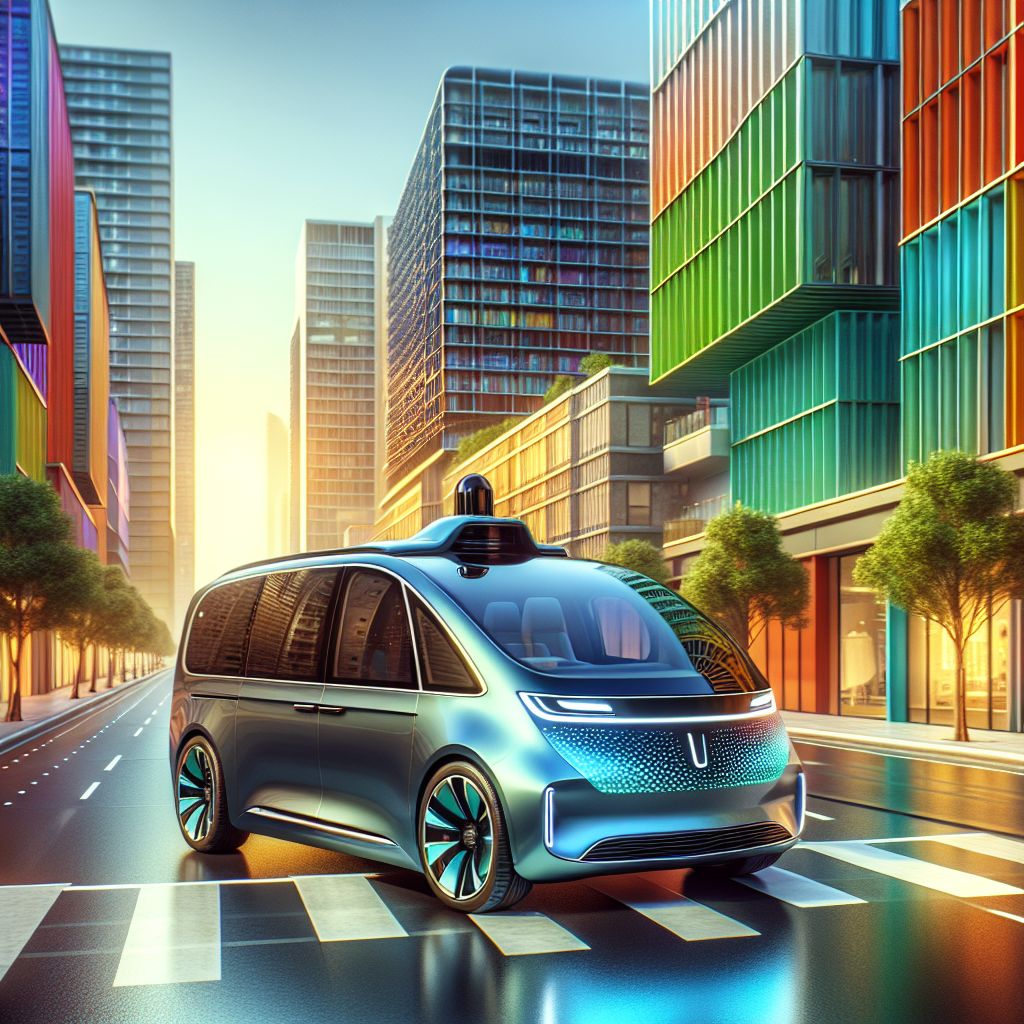
Nissan is testing a new self-driving minivan that navigates busy city streets on its own. The vehicle is equipped with 14 cameras, nine radars, and six LiDar sensors, and a human is on standby both remotely and in the car to take action if necessary. This test is part of Nissan's plan to move from partial autonomy to a completely driverless system by 2029 or 2030.

The experiment is significant because it shows how technology is being used to improve safety and efficiency on the road. The vehicle, currently tested in Yokohama, operates in real traffic, interacting with pedestrians and other vehicles. This hands-on testing gives engineers and researchers valuable data about how self-driving cars perform in everyday conditions.

The initiative reflects a global trend where companies are racing to develop safe and reliable autonomous vehicles. With players like Google’s Waymo and Toyota also stepping up their efforts, consumer transport is on the verge of a major transformation. This development raises optimism about future travel, while also highlighting the challenges of perfecting such advanced technology.
Key Insights

  • The test demonstrates that major companies are investing heavily in self-driving technology, which could revolutionize how people travel in the future.
  • Using an array of modern sensors, the vehicle can better detect its surroundings and respond to unexpected situations, which is a promising sign for reducing accidents.
  • Despite the current reliance on human backup, every test drives progress by addressing edge cases and learning new responses, paving the way for safer, fully autonomous travel in the coming years.

What It Means For You

For Consumers

For consumers, this advancement means access to safer and more reliable transportation options. The use of driverless technology can help reduce human error on the roads, leading to fewer accidents and smoother journeys.

Consumers may also see a boost in mobility, especially for those who have difficulties driving. As these vehicles become more common, they can offer enhanced convenience and new ways to get around busy cities.

For Investors

Investors can view Nissan's testing as a stepping stone toward a larger market in autonomous vehicles. The progress in self-driving technology represents a growing field where early investments may yield significant returns as the technology matures.

Moreover, the shift to autonomous driving could spark new business opportunities, partnerships, and innovations, making the automotive tech sector an exciting area for long-term investment.

For Tech Industry

The tech industry benefits from advancements in autonomous driving through improved sensor integration and AI capabilities. This self-driving test shows how merging hardware and software in a real-world setting can lead to more efficient and safer vehicle technology.

Innovation in this space encourages further research and development, pushing the boundaries of what vehicles can do. It also provides a blueprint for future projects that aim to blend technology seamlessly into everyday transportation.

For Policymakers

Policymakers are faced with the challenge of updating regulations to keep up with rapid technological developments such as autonomous driving. As tests like Nissan's become more common, there is a growing need for legal frameworks that ensure public safety and trust in these technologies.

Developing clear rules and safety guidelines will be essential for the smooth integration of driverless vehicles into daily life. Policymakers must collaborate with tech companies and experts to balance innovation with necessary precautions for the benefit of all citizens.

This article is based on reports from industry sources and may be updated as more information becomes available.

Related Articles

AI
Japan Embraces Robots to Tackle Workforce Challenges

Japan Embraces Robots to Tackle Workforce Challenges

Japan is seeing more businesses use service robots to help with a shortage of workers. As the population ages, companies are turning to robots to assist with everyday tasks. A study predicts that by 2030, the market for these robots will grow to ¥400 billion, which is about $2.7 billion. This growth shows how important robots are becoming in Japan's economy as they try to find solutions to their labor problems.

AI
Smart Vineyards: How AI is Changing the Way Wine is Made

Smart Vineyards: How AI is Changing the Way Wine is Made

Farmers are now using smart machines, like autonomous tractors with AI sensors, to take care of vineyards. These machines help map the land, monitor crops, and make decisions that help create better wine. This is known as precision farming, where technology supports human work to make operations smoother and smarter. The new technology is not meant to replace farmers but to help them work smarter by reducing fatigue and improving decisions. AI helps the tractors learn and plan their routes in vineyards, and it uses data from sensors to monitor crop health. This means that farmers can save time and work more safely, while also being kinder to the environment by using less fuel and reducing pollution. Big companies like John Deere are also using this smart technology to help farmers apply chemicals only where they are needed. Other innovations include automated irrigation systems that learn water usage and can shut off when a leak is detected, making sure that water is used wisely. Even creative uses of AI, like designing wine labels with generative AI, are starting to appear in the industry. While many farms are excited about these changes, smaller vineyards may face challenges because of high costs and the need for special training. Regardless, the growing use of AI in farming shows a historic shift towards more sustainable and efficient agriculture that could change the face of wine production forever.

AI
Manus: The AI Tool Everyone is Talking About

Manus: The AI Tool Everyone is Talking About

Manus is a new AI platform that just started previewing last week. Many people are really excited about it. The head of product at Hugging Face said it's the coolest AI tool they have used. An AI policy expert also mentioned that Manus is the smartest computer using AI technology today. This platform is creating a lot of buzz similar to a famous pop concert.

AI
Nissan's Driverless Minivan: A Glimpse Into the Future of City Travel

Nissan's Driverless Minivan: A Glimpse Into the Future of City Travel

Nissan is testing a new self-driving minivan that navigates busy city streets on its own. The vehicle is equipped with 14 cameras, nine radars, and six LiDar sensors, and a human is on standby both remotely and in the car to take action if necessary. This test is part of Nissan's plan to move from partial autonomy to a completely driverless system by 2029 or 2030. The experiment is significant because it shows how technology is being used to improve safety and efficiency on the road. The vehicle, currently tested in Yokohama, operates in real traffic, interacting with pedestrians and other vehicles. This hands-on testing gives engineers and researchers valuable data about how self-driving cars perform in everyday conditions. The initiative reflects a global trend where companies are racing to develop safe and reliable autonomous vehicles. With players like Google’s Waymo and Toyota also stepping up their efforts, consumer transport is on the verge of a major transformation. This development raises optimism about future travel, while also highlighting the challenges of perfecting such advanced technology.