Power Up: A Smart Home Battery You Can Install Yourself
AI

Power Up: A Smart Home Battery You Can Install Yourself

Published on Mar 9, 2025

Summary

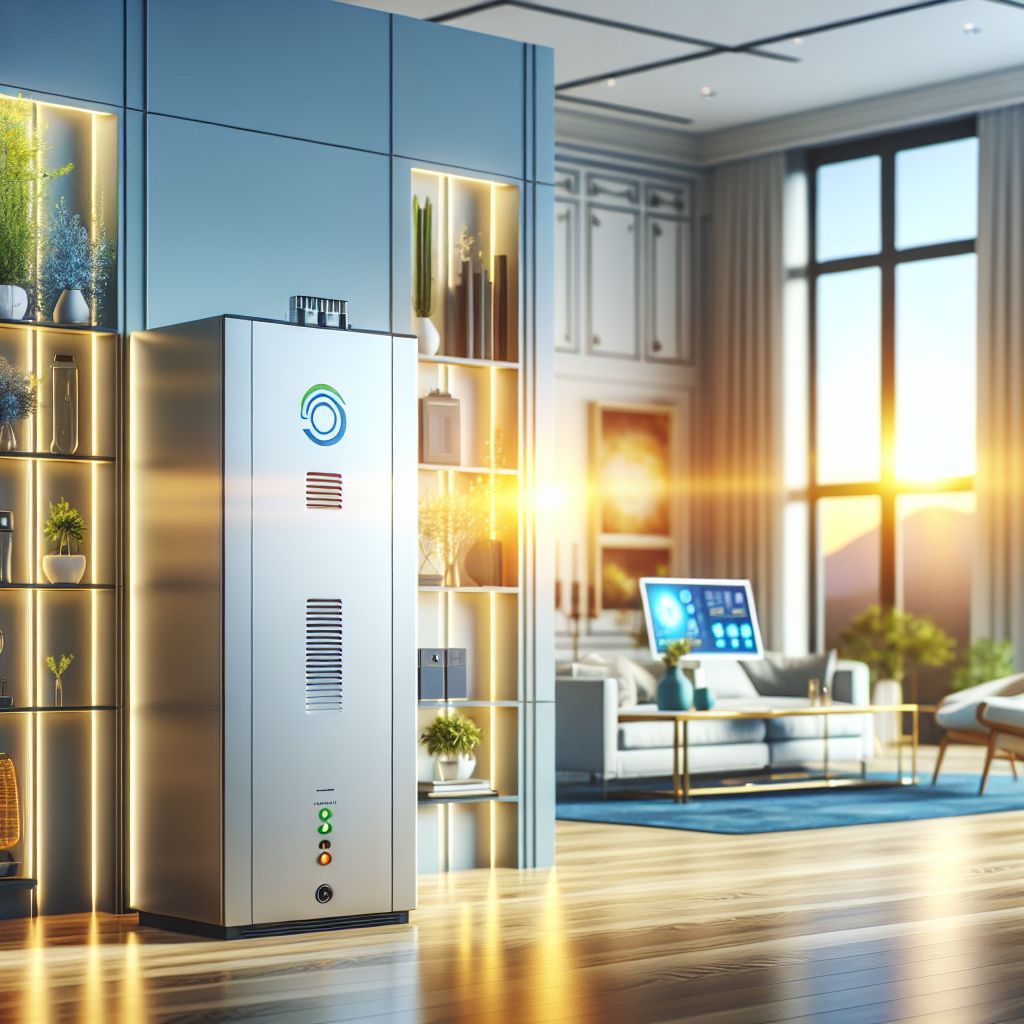
A new smart home battery from Pila Energy, created by former Tesla engineers, is making it easier for people to deal with power outages. This battery is designed to be affordable and simple to install without needing an electrician. Having a backup power source at home can really help during times when the electricity goes out, making life more comfortable and secure. The goal is to give consumers more control over their energy needs and protect them from unexpected outages.

Key Insights

  • This smart battery represents a growing trend where consumers want more independence from traditional power sources, especially during outages. As more people install these batteries, it could change how we think about energy use in our homes. More households might see the advantages of having a backup battery installed, leading to a shift in energy consumption patterns.
  • Historically, backup batteries were often expensive and required professional installation, which discouraged many homeowners. With products like this new battery, families might find it easier to invest in energy solutions without high costs or complicated setups. This could lead to increased adoption and interest in energy technology.
  • Additionally, the increased reliance on smart home devices shows a push towards modern technology in everyday life. As consumers become more comfortable with gadgets, the technology behind energy storage will likely continue to innovate and improve, making it even more efficient and user-friendly.

What It Means For You

For Consumers

Consumers will benefit greatly from this smart battery as it offers an easy solution to potential power outages. This product allows them to have control over their home's energy, making it less stressful when bad weather or other issues cause power loss.

With no need for an electrician to install it, families can save money and time. This encourages more people to consider battery backups as part of their energy plans, promoting a sense of security in their homes.

For Investors

Investors should see this development as a promising opportunity in the energy technology market. As demand for easy-to-use power solutions grows, companies like Pila Energy can expect increased interest and investment, potentially leading to higher returns.

The trend of smart home devices also creates new avenues for investment in both technology and renewable energy, reflecting a shift in consumer behavior towards more sustainable and self-reliant energy solutions.

For Tech Industry

The tech industry is witnessing a significant shift with products like this smart battery that bridge the gap between technology and daily living. This development may inspire other tech companies to innovate in the energy sector, leading to more products that blend convenience with sustainability.

As the market for smart home devices expands, tech companies may focus on collaboration to enhance user experiences, making technology even more accessible and integrated within households.

For Policymakers

Policymakers should take note of the growing popularity of smart energy solutions and consider how regulations might need to adapt. Supporting technologies that empower consumers to manage their energy has the potential to improve overall resilience during power outages.

Encouraging developments in home energy storage can also contribute to broader goals of sustainability and energy independence. Policymakers may want to promote programs that support innovation and accessibility in the energy sector.

This article is based on reports from industry sources and may be updated as more information becomes available.

Related Articles

AI
Japan Embraces Robots to Tackle Workforce Challenges

Japan Embraces Robots to Tackle Workforce Challenges

Japan is seeing more businesses use service robots to help with a shortage of workers. As the population ages, companies are turning to robots to assist with everyday tasks. A study predicts that by 2030, the market for these robots will grow to ¥400 billion, which is about $2.7 billion. This growth shows how important robots are becoming in Japan's economy as they try to find solutions to their labor problems.

AI
Smart Vineyards: How AI is Changing the Way Wine is Made

Smart Vineyards: How AI is Changing the Way Wine is Made

Farmers are now using smart machines, like autonomous tractors with AI sensors, to take care of vineyards. These machines help map the land, monitor crops, and make decisions that help create better wine. This is known as precision farming, where technology supports human work to make operations smoother and smarter. The new technology is not meant to replace farmers but to help them work smarter by reducing fatigue and improving decisions. AI helps the tractors learn and plan their routes in vineyards, and it uses data from sensors to monitor crop health. This means that farmers can save time and work more safely, while also being kinder to the environment by using less fuel and reducing pollution. Big companies like John Deere are also using this smart technology to help farmers apply chemicals only where they are needed. Other innovations include automated irrigation systems that learn water usage and can shut off when a leak is detected, making sure that water is used wisely. Even creative uses of AI, like designing wine labels with generative AI, are starting to appear in the industry. While many farms are excited about these changes, smaller vineyards may face challenges because of high costs and the need for special training. Regardless, the growing use of AI in farming shows a historic shift towards more sustainable and efficient agriculture that could change the face of wine production forever.

AI
Manus: The AI Tool Everyone is Talking About

Manus: The AI Tool Everyone is Talking About

Manus is a new AI platform that just started previewing last week. Many people are really excited about it. The head of product at Hugging Face said it's the coolest AI tool they have used. An AI policy expert also mentioned that Manus is the smartest computer using AI technology today. This platform is creating a lot of buzz similar to a famous pop concert.

AI
Nissan's Driverless Minivan: A Glimpse Into the Future of City Travel

Nissan's Driverless Minivan: A Glimpse Into the Future of City Travel

Nissan is testing a new self-driving minivan that navigates busy city streets on its own. The vehicle is equipped with 14 cameras, nine radars, and six LiDar sensors, and a human is on standby both remotely and in the car to take action if necessary. This test is part of Nissan's plan to move from partial autonomy to a completely driverless system by 2029 or 2030. The experiment is significant because it shows how technology is being used to improve safety and efficiency on the road. The vehicle, currently tested in Yokohama, operates in real traffic, interacting with pedestrians and other vehicles. This hands-on testing gives engineers and researchers valuable data about how self-driving cars perform in everyday conditions. The initiative reflects a global trend where companies are racing to develop safe and reliable autonomous vehicles. With players like Google’s Waymo and Toyota also stepping up their efforts, consumer transport is on the verge of a major transformation. This development raises optimism about future travel, while also highlighting the challenges of perfecting such advanced technology.